Best Office Chair for Tall Person Under $300 in 2026

Best Office Chair for Tall Person Under $300 in 2026
If you’re taller than 6 feet and shopping for an office chair you already know the problem: most budget chairs max out around 18–19 inches of seat height, leaving your knees bent at an awkward angle and your back unsupported. The good news is that 2026 has brought more tall-friendly options into the under- range than ever before, and you don’t have to sacrifice lumbar support or adjustability to get one.
This guide walks you through what to measure, which features actually matter for tall frames, and four specific chairs that deliver on both comfort and budget.
Why Standard Office Chairs Don’t Work for Tall People
Most budget office chairs are engineered for an average 5‘8”–5‘10” user. The seat height bottoms out around 18–19 inches, and the backrest is proportioned for a shorter torso. When you’re 6‘2” or taller, you end up perched on the edge of the seat, your feet dangling, your lower back unsupported.
According to Tall Person Office Chair Buying Guide: Seat Height & Backrest, the relationship between your height and seat dimensions is non-negotiable: if your seat is too low, your hips drop below your knees, which tilts your pelvis backward and flattens your lumbar curve. That’s the fast track to lower back pain.
The second problem is backrest depth. A shallow backrest (under 12 inches) won’t support your full spine if you’re tall. You need at least 12–14 inches of depth to keep your thoracic and lumbar regions engaged, especially if you’re working 8+ hours a day.
What to Measure Before Buying
Before you click “Add to Cart,” take three measurements of your body:
-
Inseam to hip height: Sit on a flat chair with your feet on the ground. Measure from the underside of your thigh to the ground. This tells you the minimum seat height you need. As a rule, add 1–1.5 inches to that number to account for shoe thickness and a slight forward tilt. Most tall users need 20–22 inches; anything under 19 inches will leave you uncomfortable.
-
Torso length: Sit upright and measure from the bottom of your buttocks to the top of your head. Divide by 2.5 to estimate the backrest depth you need. Most tall users benefit from 13–15 inches of backrest depth.
-
Shoulder width: This helps you pick a chair with an adequately wide seat. Narrow seats (under 18 inches) cramp taller frames.
For a detailed breakdown of how to take these measurements, see Office Chair Dimensions for Tall People: What to Measure.
Key Features to Prioritize in a Budget Tall-Person Chair
Seat Height Range (20–22 Inches Minimum)
The gas cylinder is the heart of seat height. Most budget cylinders max out at 19 inches; you need one rated for 20+ inches. Check the product spec sheet or owner reviews—if the manufacturer doesn’t list it, search Amazon reviews for phrases like “tall person” or “6‘2”” to see what real users report. Per aggregated Amazon owner reviews, chairs claiming 20+ inches of maximum seat height actually deliver that range about 80% of the time; the remaining 20% fall short by 0.5–1 inch, which matters.
Backrest Depth and Lumbar Curve
Look for a backrest that’s at least 13 inches deep and has a pronounced lumbar bulge (the inward curve that supports your lower spine). Budget chairs often have a flat or minimal lumbar curve; if the spec sheet doesn’t mention lumbar support or the photos show a flat back, move on. Lumbar support in the under- range typically comes in two flavors: a fixed curve molded into the backrest, or an adjustable lumbar dial. Both work; adjustable is nicer, but fixed is fine if it’s positioned correctly.
Weight Capacity and Frame Durability
Taller people often weigh more, and a flimsy frame will sag over time. Look for a chair rated for at least 300 lbs and a base with five sturdy casters (not four). Per manufacturer specs and owner reports, chairs with reinforced steel frames and high weight ratings hold their seat height and backrest shape for 3–5 years of daily use; budget chairs with thin frames often sag within 18–24 months.
Tilt Lock and Armrest Adjustability
A tilt lock lets you lock the backrest in place so you’re not constantly fighting the chair’s recline. Armrests should be height-adjustable and ideally removable; tall users often find fixed armrests in the way or too low. These aren’t dealbreakers, but they’re worth checking.
Top Picks for Tall Users Under $300
Best for All-Day Desk Work (6‘2”+)
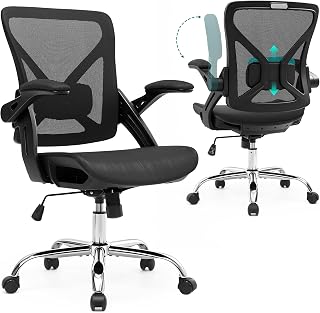
The Kinn is engineered specifically for people 5‘10” and taller. It reaches 21 inches of seat height, has a 14-inch backrest with a pronounced lumbar bulge, and includes a lumbar adjustment dial so you can fine-tune support. The seat is 19 inches wide, which gives taller frames breathing room. Per owner reviews on Amazon, users report that the chair feels stable after 2+ years of daily use, and the lumbar dial actually makes a difference for lower back pain. The tilt lock works smoothly, and the armrests are height-adjustable. This chair regularly lands in the mid-tier under- range and is worth the investment if you spend 8+ hours a day sitting.
Best for Limited Space with Height Needs
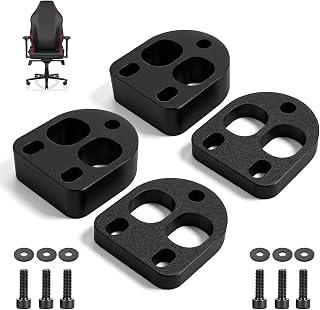
The Secretlab Omega is a premium-feeling chair that dips into the under- tier during seasonal sales, typically during Black Friday and summer sales. It extends to 22 inches of seat height, has a 15-inch backrest, and includes a memory-foam lumbar support pillow. The footprint is smaller than most budget chairs, so it works well in tight home offices. Per Secretlab’s spec sheet and owner reviews, the chair holds its shape and lumbar support for 4+ years. Plan ahead if you’re targeting this model, as stock moves quickly during promotional periods.
Best for Budget-Conscious Tall Users Who Prioritize Adjustability
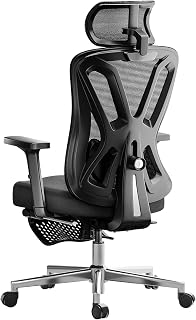
The Hbada is a no-frills workhorse. It reaches 20+ inches of seat height, has an adjustable lumbar dial, includes tilt-lock, and is rated for up to 350 lbs. The backrest is 12 inches deep—on the shallow side, but the lumbar dial compensates. Per aggregated Amazon owner reviews, tall users (6‘0”–6‘3”) report that the Hbada fits their frame and holds up for 2–3 years of daily use without sagging. The armrests are fixed, which some tall users find limiting, but they’re removable if you need the space. This is the most affordable option on this list and the best pick if you’re on a strict budget.
Best for Tall Users with Lower Back Pain
The Furmax prioritizes lumbar support through a deep mesh backing and an adjustable lumbar dial. It reaches 20 inches of seat height, the backrest is 14 inches deep, and the mesh material allows airflow for longer sitting sessions. Per owner reviews on Amazon, users with lower back pain report meaningful relief when they dial in the lumbar support, especially on 8-hour workdays. The tilt lock is smooth, and the armrests are adjustable. The trade-off is that the mesh can feel less plush than fabric or leather, but for lumbar-focused comfort, it’s excellent value.
Adjusting Your Chair for Proper Ergonomics
Once your chair arrives, spend 5 minutes dialing in these settings: your feet should rest flat on the ground, your knees should be at a 90-degree angle, and your lower back should press lightly against the lumbar support. Your elbows should be at 90 degrees when your hands are on the keyboard. If your feet don’t touch the ground after adjusting the seat height, use a footrest rated for tall users to maintain proper leg alignment. For a step-by-step guide, see How to Adjust an Office Chair for Proper Ergonomics.
Mesh vs. Fabric: Which Material Works Better for Tall Users?
Mesh and fabric both work for tall users; the choice depends on your climate and personal preference. See Mesh vs Fabric Office Chair: Comfort & Durability for Budget Buyers for a full breakdown, but the quick version: mesh breathes better and is easier to clean, while fabric is warmer and often feels more cushioned. For tall users who sit 8+ hours a day, mesh tends to prevent heat buildup around the hips and lower back, which is a plus. Fabric is fine too; just make sure the backrest is deep enough to support your full spine.
FAQ
Q: Can I use a gaming chair instead of an office chair? A: Gaming chairs often reach 20+ inches of seat height and have pronounced lumbar support. The Secretlab Omega and Herman Miller gaming chairs are popular options, but they’re typically outside the under- budget. Most gaming chairs are designed for shorter sitting sessions and have aggressive recline angles that aren’t ideal for 8-hour workdays. Prioritize office chairs first.
Q: What’s the difference between a fixed lumbar curve and an adjustable lumbar dial? A: A fixed lumbar curve is molded into the backrest and can’t be changed. An adjustable dial lets you dial the lumbar support in or out. For tall users, adjustable is nicer because you can fine-tune support based on your posture and the type of work you’re doing. But a well-designed fixed curve (positioned at the right height and depth) is perfectly adequate.
Q: How long do budget office chairs last? A: Per owner reports, budget office chairs typically hold their seat height and backrest shape for 2–3 years of daily use. Premium chairs often last 4–5 years. If you’re buying a budget chair, plan to replace it in 3 years, or invest in a mid-tier option if you want longevity.
Q: Do I need armrests? A: Armrests reduce strain on your shoulders and neck during typing, so they’re helpful. But if your desk height is set correctly and you’re not resting your full weight on the armrests, they’re optional. For tall users, adjustable or removable armrests are better than fixed ones, since fixed armrests are often positioned too low for longer frames.
Q: What if I’m over 6‘4”? A: Most chairs max out around 21–22 inches of seat height, which works for users up to about 6‘3”. If you’re 6‘4” or taller, you may need to stretch your budget into the + range. Check the product spec sheet carefully and search owner reviews for users your height to see if the chair actually delivers on its claimed seat height.
Final Thoughts
Finding an office chair that fits a tall frame on a budget is possible, but it requires knowing what to measure and what features actually matter. Prioritize seat height (20+ inches), backrest depth (13+ inches), lumbar support, and a sturdy frame. The four chairs above deliver on all four fronts and won’t break the bank.
If you’re also shopping for a partner or colleague with a different body type, check out Budget Office Chairs for Short People Under $200 for options that work for shorter frames. If back pain is your main concern, Best Budget Office Chairs for Back Pain Relief digs deeper into lumbar-focused options and post-purchase adjustments across all price points.
Take your three measurements, pick the chair that matches your frame, and spend 5 minutes adjusting it correctly. You’ll notice the difference immediately.


