ATH-M20x vs Sony MDR-7506 Budget Studio Headphones
ATH-M20x vs Sony MDR-7506: Which Budget Studio Headphones Should You Buy?
Both the Audio-Technica ATH-M20x and Sony MDR-7506 sit in the budget studio-headphone category, and both have earned loyal followings among remote workers and bedroom producers. But they’re built differently, feel different on your head, and sound different through your ears—and the choice between them depends entirely on what matters most to you. This comparison walks through the real differences so you can pick the right pair for your setup.
Build Quality and Materials
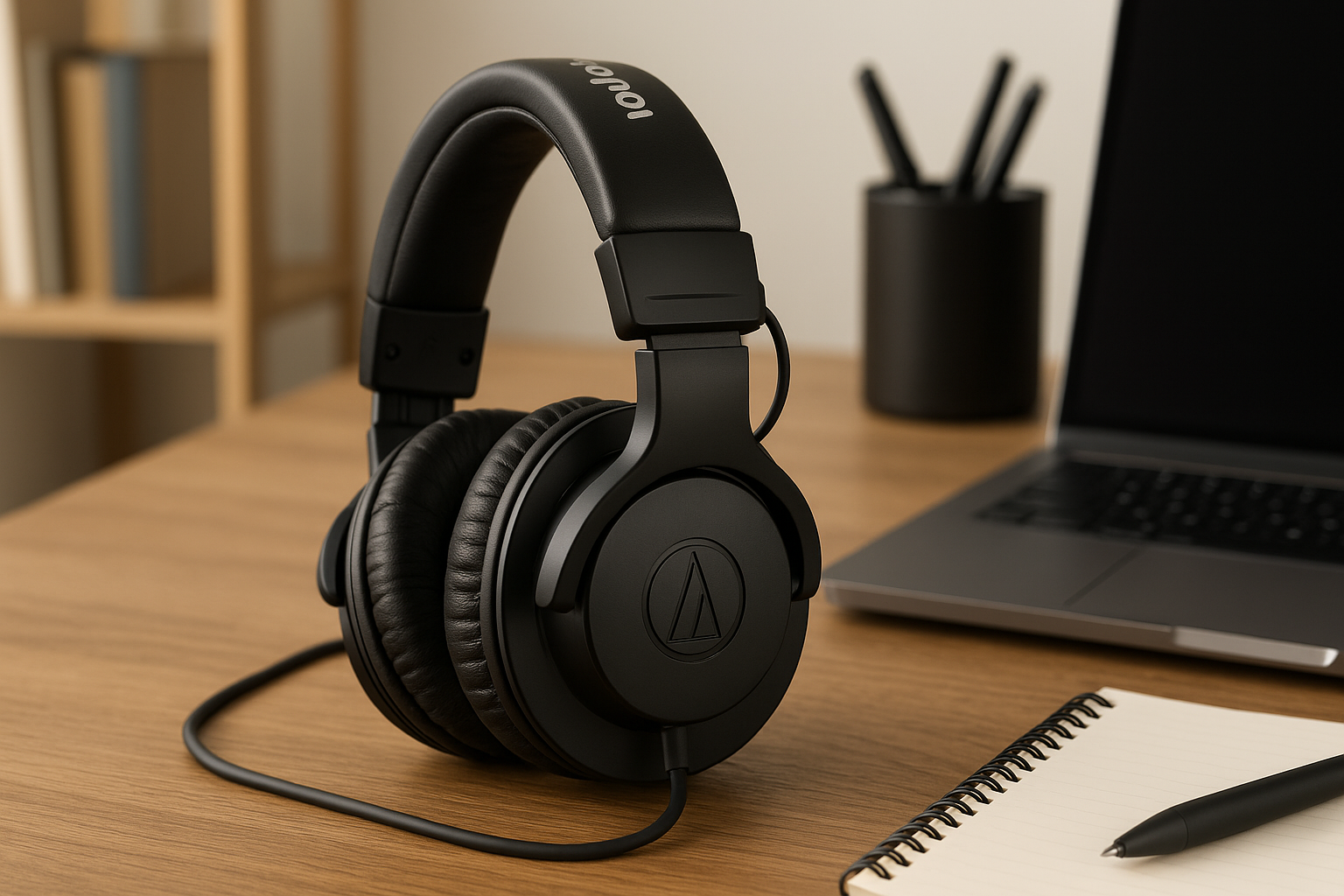
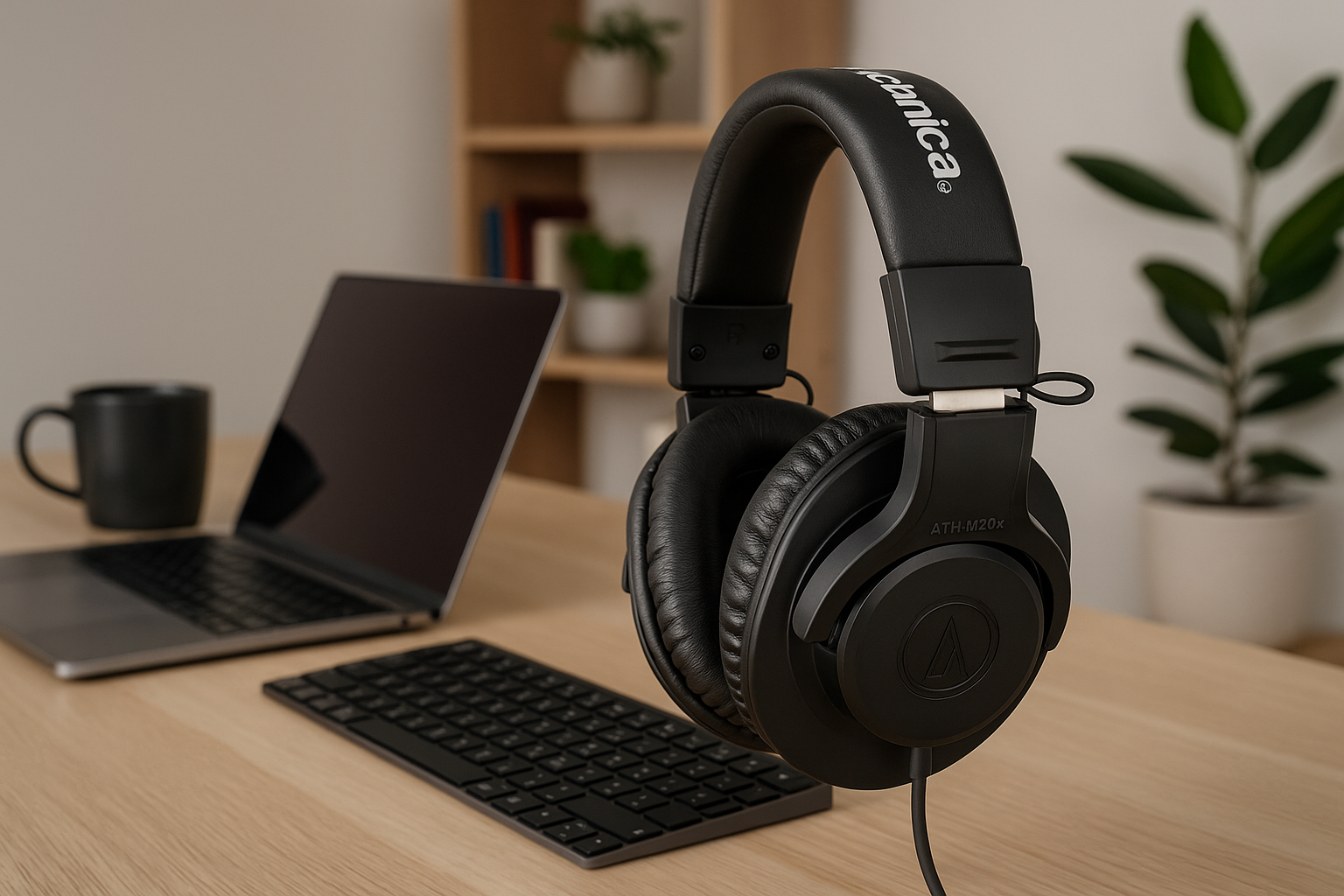
The ATH-M20x uses a plastic housing with a metal headband that’s reinforced but still flexible. The ear cups are padded with protein leather (synthetic), and the cable is detachable—a huge practical win if you need a replacement without buying new headphones. According to multiple owner reports on r/headphones, the plastic construction feels less premium than the Sony, but it also means less weight pressing on your skull during an 8-hour workday.
The Sony MDR-7506 has been in production since the early 2000s and uses a similar plastic-and-metal design, but the headband feels more rigid and the overall clamping force is noticeably tighter. The ear cups are also synthetic leather but tend to harden faster over time, per long-running threads on audio forums. The cable is fixed, not detachable, which is a real drawback if it fails.
Edge: ATH-M20x for longevity and repairability. The detachable cable is a practical lifeline; the lighter weight is a comfort win for all-day wear.
Comfort and Fit for Long Sessions
This is where the biggest practical difference emerges. The ATH-M20x weighs roughly 190 grams per manufacturer spec and has a softer clamp—many users report wearing them for 6–8 hours straight without significant ear or head fatigue. The padding is thicker and more forgiving. If you’re working from home and wearing headphones most of the day, this matters.
The Sony MDR-7506 is heavier at around 210 grams per manufacturer spec and clamps harder. It’s designed for professional studio monitoring sessions, not marathon work calls. According to owner reviews on Amazon, users often mention needing to take breaks or adjusting the headband with padding to reduce pressure during extended use. The tighter fit does help with isolation—which some people prefer—but it comes at a comfort cost.
If you’re doing remote work, video calls, or background music listening for 4+ hours daily, the ATH-M20x’s lighter touch is a genuine advantage.
Edge: ATH-M20x for comfort during extended use.
Sound Profile and Audio Clarity
Both headphones are “closed-back monitor” designs, meaning they’re tuned for accuracy rather than consumer-friendly coloration. But they sound noticeably different.
The ATH-M20x has a warmer, slightly bassy character. The low end is boosted, the midrange is present but not aggressive, and the treble is smooth. This makes them forgiving on poor-quality audio files and pleasant for music listening.
The Sony MDR-7506 is flatter and more neutral. The bass is tighter, the midrange is more prominent (which is why they’re popular for vocal recording), and the treble is more extended. If you’re mixing audio, editing video with critical listening, or doing any work where you need to hear exactly what’s in the file, the Sony’s flatter response is an advantage. However, this same character makes them slightly fatiguing on bad audio or casual listening—your ears work harder to decode what they’re hearing.
For home office use (calls, background music, focus work), the ATH-M20x’s warmer tone is less tiring. For production or critical listening, the Sony wins.
Edge: Sony MDR-7506 for mixing and critical audio work; ATH-M20x for casual use and comfort listening.
Isolation and Noise Blocking
Both are closed-back, so passive isolation is decent but not exceptional. The Sony’s tighter clamp gives it a slight edge in isolation—more pressure on your ears means less outside sound leaks in. But we’re talking about 2–3 dB difference, not a night-and-day gap.
If you’re in a quiet home office, both will block enough ambient noise. If you’re in a louder environment (open office, roommates, traffic), the Sony isolates slightly better. Neither will replace noise-canceling headphones, but they’re good enough for most remote work.
Edge: Sony MDR-7506 by a small margin.
Durability and Long-Term Reliability
The ATH-M20x’s detachable cable is a huge durability win. Cables fail more often than drivers do, and being able to swap one out keeps these headphones alive for years. The plastic housing is robust, and users on r/headphones report 3–5 years of daily use without major issues.
The Sony MDR-7506 has been around since the early 2000s, so there’s a lot of historical data. The good news: they’re built solid and many units are still working after 10+ years. The bad news: when the cable fails (and it will eventually), you’re replacing the whole headphone. The headband can also become loose over time, though this is usually fixable with a small repair.
Both are repairable if you’re handy, but the ATH-M20x’s modular design is friendlier to long-term ownership.
Edge: ATH-M20x for repairability and longevity.
Why the Sony MDR-7506 Still Has a Loyal Professional Following
Despite the ATH-M20x’s advantages in comfort and convenience, the Sony MDR-7506 has maintained a dedicated user base in professional studios for over two decades. This isn’t accidental—the design choices that make it less comfortable for all-day office wear are intentional features for specific professional work.
The tight clamping force and rigid headband provide consistent ear-cup contact, which is critical for accurate monitoring during mixing and mastering sessions. The flatter frequency response isn’t just an audio preference; it’s essential for engineers who need to hear problems in a mix without the headphones adding color or warmth that masks issues. The fixed cable, while less convenient for casual users, is a deliberate choice in professional environments where cable swapping could introduce inconsistency or signal loss.
Broadcast engineers, mastering facilities, and recording studios continue to specify the MDR-7506 because the design optimizes for accuracy and consistency over comfort—a trade-off that makes sense when you’re being paid to get the mix right, not when you’re on a Zoom call. The Sony’s design reflects decades of professional feedback; it’s not outdated, it’s specialized.
Edge: Sony MDR-7506 for professional studio environments where accuracy and consistency outweigh comfort.
Portability and Practicality
The ATH-M20x is lighter and folds for storage. It’s not a portable headphone in the sense of being small or travel-friendly, but it’s easier to move around your home office or throw in a bag.
The Sony MDR-7506 doesn’t fold and is slightly bulkier. It’s less convenient for moving between rooms, though the fixed cable means you won’t accidentally leave it behind.
Edge: ATH-M20x for home-office flexibility.
Price Tier and Value
The ATH-M20x typically positioning it as the true entry-level option in the budget studio category. The Sony MDR-7506 ranges from reflecting its longer track record and professional adoption. Neither is expensive, but the ATH-M20x offers better value for home-office use due to comfort and the detachable cable. The Sony’s higher price is justified only if you’re doing critical mixing or need the flatter response.
For remote work, focus, and all-day comfort, the Audio-Technica ATH-M20x delivers more bang for your buck.
FAQ
What’s the impedance rating on each model? The ATH-M20x is 38 ohms; the Sony MDR-7506 is 63 ohms. Both work with standard audio interfaces and consumer devices, though the Sony’s higher impedance means it may require slightly more amplification from some portable sources.
Are these headphones compatible with my audio interface? Yes. Both have standard 3.5mm connectors and work with any audio interface, mixer, or device with a headphone output. The ATH-M20x’s detachable cable makes it easier to swap between different connectors if needed.
Which is better for video calls and Zoom meetings? The ATH-M20x. Lighter weight, softer padding, and a more forgiving sound signature make them less fatiguing during back-to-back calls.
Do either have a microphone? No. Both are headphones only; you’ll need a separate microphone if you’re recording or streaming.
How long do the ear pads last? Both sets of synthetic leather pads harden and crack after 2–3 years of daily use. Replacement pads are available for both models, though they’re easier to source for the Sony (wider aftermarket support) and the ATH-M20x (detachable cable means easier access to the cups).
Which should I buy if I’m on a tight budget? The ATH-M20x. It’s the more affordable option and better for home-office use. If you’re mixing music professionally, stretch for the Sony.
The Bottom Line
Choose the Audio-Technica ATH-M20x if you’re working from home and wearing headphones most of the day. The lighter weight, softer padding, and detachable cable make them the practical choice for comfort and longevity.
Choose the Sony MDR-7506 if you’re mixing, mastering, or doing critical audio listening. The flatter response and tighter isolation justify the extra cost for production work, and the design reflects decades of professional studio use.
For most remote workers, the ATH-M20x is the smarter buy. It’s comfortable, reliable, and honest enough in its sound. The Sony is a specialist tool; the ATH-M20x is an all-rounder that happens to sound good too.